
Nourish to Flourish
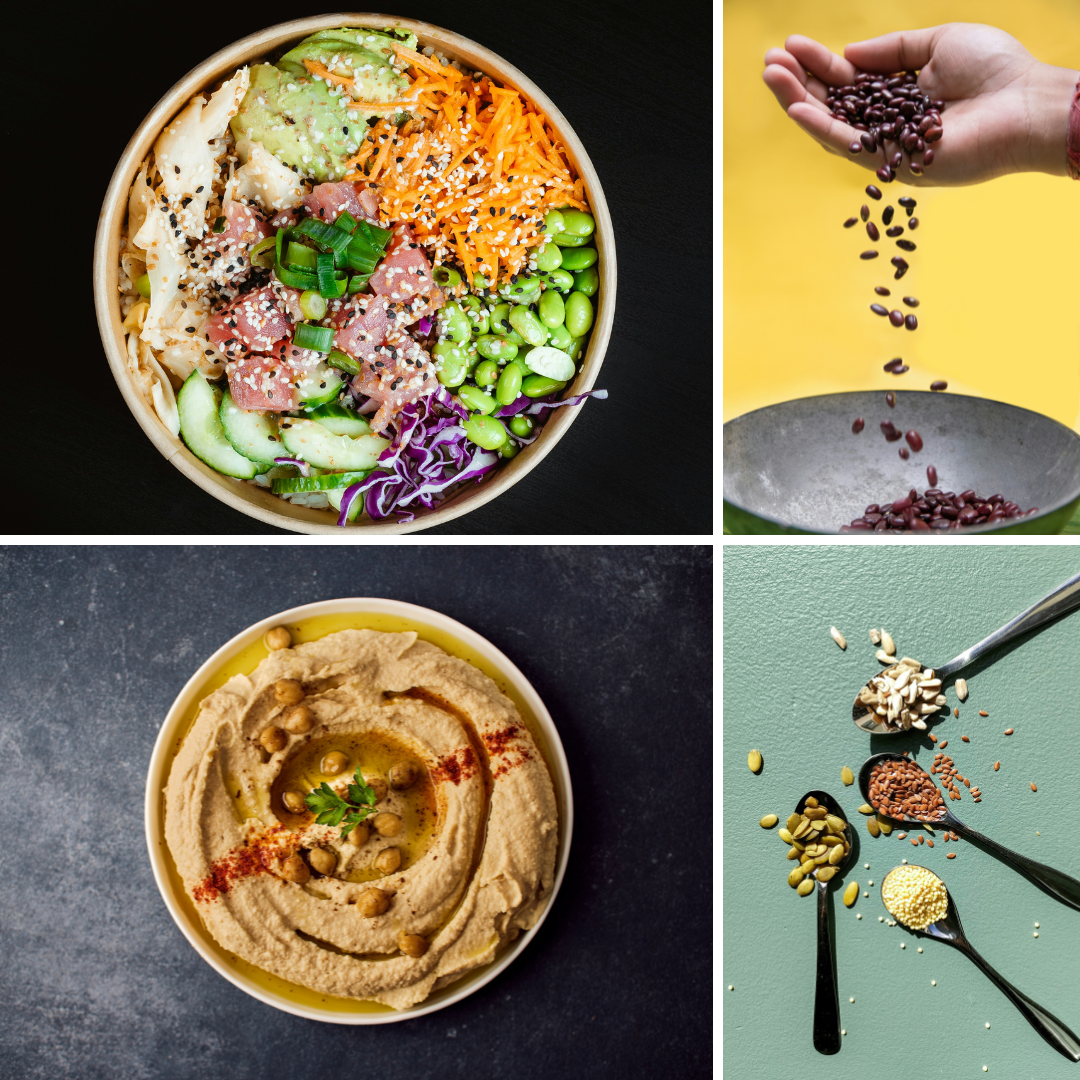
Plant Protein
Nourish To Flourish:
How A Healthy Diet Transforms Wellbeing
We live in an age of abundance — supermarket aisles overflow with convenience foods, yet our bodies often run on empty. The standard Western diet (SWD), heavy in processed carbohydrates, refined oils, sugars, and poor-quality fats, leaves many people simultaneously overfed and undernourished.
Chronic fatigue, poor digestion, hormonal imbalances, low mood, and inflammatory conditions are now so common that they’ve become “normal.” But they are not inevitable. The good news? Your body is constantly regenerating — and it thrives when given the right fuel.
Nutrition isn’t just about calories; it’s about information. Every bite communicates with your cells, switching genes on and off, influencing hormones, and shaping your microbiome. A nourishing, whole-food diet gives your body the message to heal, energise, and flourish.
The Problem with the Standard Western Diet
The SWD is high in:
Refined carbohydrates that spike blood sugar and insulin, leading to energy crashes, weight gain, and inflammation.
Damaging fats (trans fats, refined seed oils) that disturb cell membrane integrity and brain function.
Excess sodium and preservatives that burden the liver and kidneys.
Low fibre intake, starving beneficial gut microbes.
Micronutrient depletion, leaving gaps in essential vitamins and minerals that drive detoxification, immunity, and energy production.
Over time, this pattern fuels metabolic dysfunction, chronic inflammation, and oxidative stress — three root causes of most modern disease.
The Power of a Whole-Food, Nutrient-Dense Diet
In contrast, a nutrient-rich diet — abundant in colourful plants, quality proteins, healthy fats, and complex carbohydrates — stabilises blood sugar, nourishes the microbiome, and supports the body’s natural detoxification systems.
This approach promotes:
Steady energy through balanced macronutrients and micronutrient co-factors for mitochondrial function.
Improved digestion via adequate fibre and phytonutrients that nurture gut flora.
Enhanced mood and cognition from omega-3 fats, B vitamins, and minerals like magnesium and zinc.
Reduced inflammation through antioxidant-rich foods that quench free radicals.
Hormonal harmony by providing amino acids and fats that serve as raw materials for neurotransmitters and hormones.
Protein: The Building Block of Renewal
Protein is fundamental to every process of repair and regeneration — from skin elasticity to neurotransmitter balance. Yet many people under-consume quality protein, especially when moving away from animal products.
Why Protein Quality Matters
Proteins are made of amino acids, nine of which are essential and must be obtained from food. Animal proteins (meat, fish, eggs, dairy) contain all nine in optimal ratios, but plant proteins can also provide complete nourishment when diverse sources are combined throughout the day.